|
|
|
| |

|
|
| |
The latest neurology news from News Medical |
|
|
|
| |  | | | 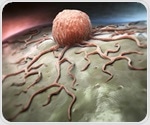 IDH-mutant glioma, caused by abnormalities in a specific gene (IDH), is the most common malignant brain tumor among young adults under the age of 50. IDH-mutant glioma, caused by abnormalities in a specific gene (IDH), is the most common malignant brain tumor among young adults under the age of 50. | | | | |  Potentially more than 90% of Alzheimer's disease cases would not occur without the contribution of a single gene (APOE), according to a new analysis led by UCL researchers. Potentially more than 90% of Alzheimer's disease cases would not occur without the contribution of a single gene (APOE), according to a new analysis led by UCL researchers. | | | | |  Circadian rhythms that are weaker and more fragmented are linked to an increased risk of dementia, according to a new study published on December 29, 2025, in Neurology®, the medical journal of the American Academy of Neurology. Circadian rhythms that are weaker and more fragmented are linked to an increased risk of dementia, according to a new study published on December 29, 2025, in Neurology®, the medical journal of the American Academy of Neurology. | | | | |  In a revealing Genomic Press Interview published today in Genomic Psychiatry, Dr. Noritaka Ichinohe challenges a foundational assumption that has quietly constrained psychiatric research for decades: the belief that meaningful explanation requires averaging away individual differences. In a revealing Genomic Press Interview published today in Genomic Psychiatry, Dr. Noritaka Ichinohe challenges a foundational assumption that has quietly constrained psychiatric research for decades: the belief that meaningful explanation requires averaging away individual differences. | | | | |  Researchers identify specific psychosocial factors that strongly correlate with altered brain development within the first year of life. Researchers identify specific psychosocial factors that strongly correlate with altered brain development within the first year of life. | | | | |  Researchers at Karolinska Institutet have discovered that the nervous system's own immune cells help protect the spinal cord from age-related damage. Researchers at Karolinska Institutet have discovered that the nervous system's own immune cells help protect the spinal cord from age-related damage. | | | | |  More than seven million Americans have Alzheimer's disease, and two-thirds of them are women, according to the Alzheimer's Association. The O'Banion Lab at the Del Monte Institute for Neuroscience at the University of Rochester has long been studying this disease and is looking more closely at the differences between male and female brains. More than seven million Americans have Alzheimer's disease, and two-thirds of them are women, according to the Alzheimer's Association. The O'Banion Lab at the Del Monte Institute for Neuroscience at the University of Rochester has long been studying this disease and is looking more closely at the differences between male and female brains. | | | | |  Parvalbumin cells play a central role in keeping brain activity in equilibrium. They control nervcell signaling, reduce overactivity and make sure that the brain is working to a rhythm. Parvalbumin cells play a central role in keeping brain activity in equilibrium. They control nervcell signaling, reduce overactivity and make sure that the brain is working to a rhythm. | |
|
|
| | | How would you rate today's newsletter?
| |
|
|
| | |
 |
Stay updated with the latest in health and medical news! Follow News‑Medical.net on Google News for real‑time updates. Click here to follow us now. |
| |
|
|
|
|
|
|
|